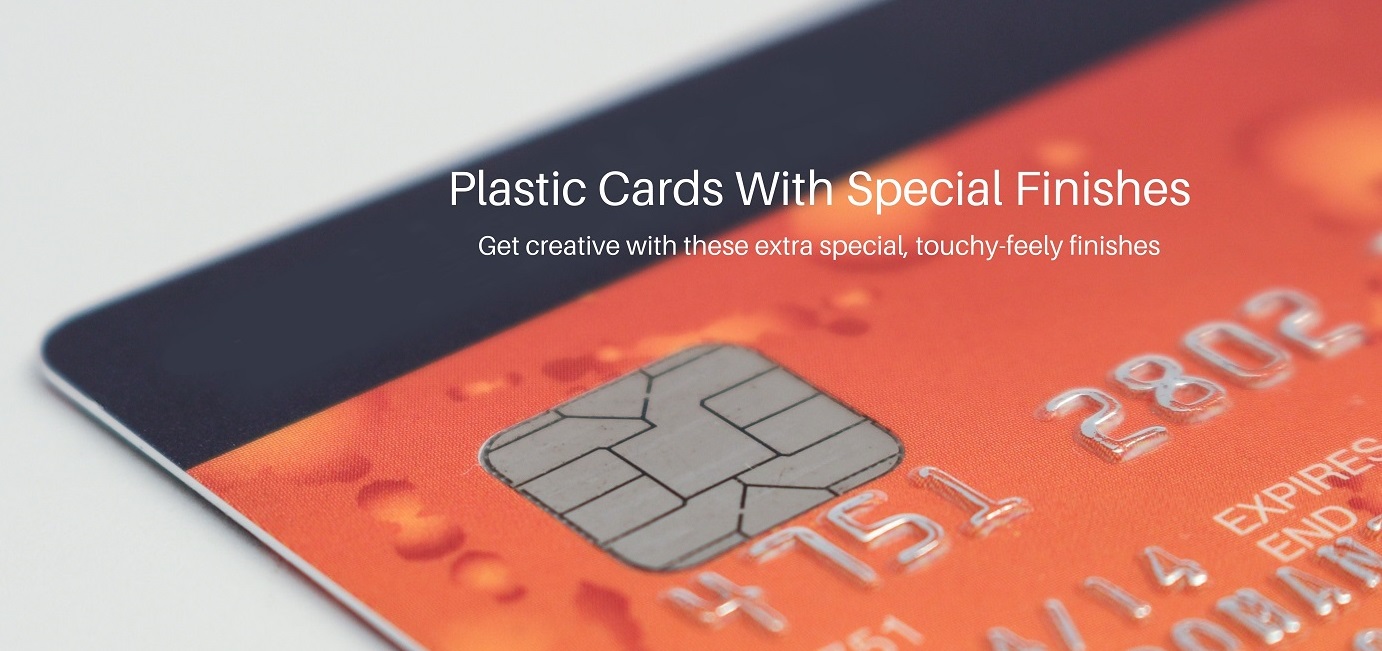
In an era increasingly shaped by digital transformation, PVC cards continue to play a vital role in global commerce, security, and identity management. From financial institutions and government agencies to retail brands and educational institutions, PVC card products remain essential tools for identification, access, payments, and customer engagement.
Despite the rapid growth of mobile wallets and digital credentials, the global PVC card industry remains strong, adaptive, and innovative. In fact, the integration of smart technologies, contactless capabilities, and sustainable materials has positioned PVC cards as a resilient and evolving solution in both developed and emerging markets.
This article explores the global PVC card industry — its applications, market trends, technological advancements, and future outlook.
What Are PVC Cards?
PVC (Polyvinyl Chloride) cards are durable plastic cards typically manufactured to standard CR80 size (85.6mm × 53.98mm), the same dimensions as a credit card. They are designed for high durability, resistance to moisture and bending, and compatibility with a wide range of printing and encoding technologies.
PVC cards can be produced in various thicknesses and finishes and can incorporate:
- Magnetic stripes
- EMV smart chips
- RFID or NFC contactless chips
- Barcodes and QR codes
- Signature panels
- Holographic security overlays
- Matte, gloss, or specialty finishes
Because of their versatility and durability, PVC cards remain one of the most widely used physical identification and transaction tools worldwide.
Global Market Overview
The PVC cards industry supports billions of cards in circulation globally. The financial services sector remains the largest contributor, but the industry extends far beyond banking.
Key Industries Driving Demand
1. Financial Services
Debit and credit cards represent the largest global segment of PVC card production. As payment systems transition toward EMV and contactless technologies, demand for chip-enabled and dual-interface cards continues to grow. Even with digital wallet adoption, physical cards remain necessary for global interoperability and access.
2. Government & National Identification
Many countries use PVC-based ID cards for:
- National identity cards
- Driver’s licenses
- Healthcare cards
- Social security identification
These cards often include advanced security features such as microtext printing, holograms, and embedded chips to prevent fraud and identity theft.
3. Corporate & Institutional Use
Businesses rely on PVC cards for:
- Employee ID badges
- Access control credentials
- Visitor passes
- Security clearances
Integration with RFID and NFC technologies allows seamless building entry and time-tracking solutions.
4. Retail & Loyalty Programs
Retailers and hospitality brands use PVC cards for:
- Loyalty and membership cards
- Gift cards
- VIP or club memberships
These cards serve both as transactional tools and powerful branding assets.
5. Transportation & Transit
Public transport systems worldwide use PVC-based smart cards for:
- Metro and bus passes
- Toll access
- Multi-use commuter systems
The shift toward contactless systems has strengthened demand for smart PVC cards embedded with secure chips.
Regional Market Insights
North America
North America remains a mature and technologically advanced PVC card market. EMV compliance, contactless adoption, and strong banking infrastructure sustain steady demand. Additionally, corporate access control systems and healthcare cards contribute to continued production volume.
Europe
Europe has high penetration of smart card technologies and strict data protection regulations. Security and sustainability standards are increasingly shaping manufacturing processes. Biodegradable and recycled PVC materials are gaining traction.
Asia-Pacific
The Asia-Pacific region represents one of the fastest-growing PVC card markets. Rapid urbanization, expanding banking systems, and government digitization initiatives are driving demand. Contactless payment cards and transportation systems are especially prominent in this region.
Middle East & Africa
Emerging financial systems, infrastructure development, and government ID programs are fueling growth. Smart card infrastructure investments continue to expand access control and secure identification systems.
Technology Advancements in PVC Cards
The PVC card industry has evolved significantly over the past two decades. Modern cards are no longer simple plastic identifiers — they are secure, data-driven tools.
EMV Chip Technology
EMV chips have become the global standard for secure payments. These microprocessor chips encrypt transaction data, significantly reducing fraud compared to magnetic stripe cards.
Contactless (NFC/RFID) Integration
Contactless technology allows users to tap their card to complete transactions or gain access. This has accelerated since the COVID-19 pandemic, as consumers prefer hygienic, touch-free solutions.
Dual-Interface Cards
Dual-interface cards combine contact and contactless capabilities in a single card, increasing flexibility and user convenience.
Enhanced Security Features
Advanced PVC cards now include:
- Holographic overlays
- Microprinting
- UV printing
- Laser engraving
- Tamper-evident elements
These features protect against counterfeiting and unauthorized duplication.
Sustainability and Environmental Responsibility
One of the most significant trends shaping the PVC card industry is sustainability.
As environmental awareness increases, businesses and governments are seeking eco-friendly alternatives. Manufacturers are responding by offering:
- Recycled PVC (rPVC) cards
- Bio-PVC alternatives
- Reduced carbon manufacturing processes
- Paper-based or composite hybrid cards
Sustainable production not only reduces environmental impact but also aligns with corporate social responsibility initiatives.
Customization and Branding Opportunities
Beyond functionality, PVC cards offer extensive design flexibility. Businesses can create visually striking cards that reinforce brand identity.
Common customization options include:
- Full-colour digital or offset printing
- Spot UV gloss
- Matte or soft-touch lamination
- Foil stamping (gold, silver, metallic colours)
- Embossed or debossed text
- Transparent or frosted cards
This level of personalization transforms a simple card into a premium marketing tool.
The Role of PVC Cards in a Digital World
While mobile wallets and digital IDs are expanding, physical PVC cards remain indispensable for several reasons:
- Not all regions have universal digital infrastructure.
- Physical credentials provide backup authentication.
- Many industries require tangible ID verification.
- PVC cards remain universally accepted worldwide.
Rather than being replaced, PVC cards are increasingly integrated into hybrid digital ecosystems. For example, a physical card may unlock digital services or serve as secure authentication for online access.
Future Outlook of the PVC Card Industry
The global PVC card industry is expected to remain stable with moderate growth, driven by:
- Expanding financial inclusion worldwide
- Smart city infrastructure projects
- Transportation modernization
- Corporate security upgrades
- Growth in loyalty and membership programs
Innovation will continue to focus on:
- Higher security standards
- Increased contactless functionality
- Sustainable materials
- Advanced personalization
The convergence of security, branding, and smart technology ensures that PVC cards will continue to play a critical role across industries.
Conclusion
The PVC card industry remains a cornerstone of global commerce, identity management, and secure transactions. From financial services and government programs to retail loyalty systems and corporate security, PVC cards offer durability, flexibility, and technological integration unmatched by many alternatives.
As the industry embraces sustainability and smart technologies, PVC cards are evolving rather than declining. Their physical presence, combined with digital capabilities, positions them as a long-term solution in an increasingly connected world.
For businesses seeking secure, customizable, and professional card solutions, PVC products continue to provide reliability and innovation on a global scale.