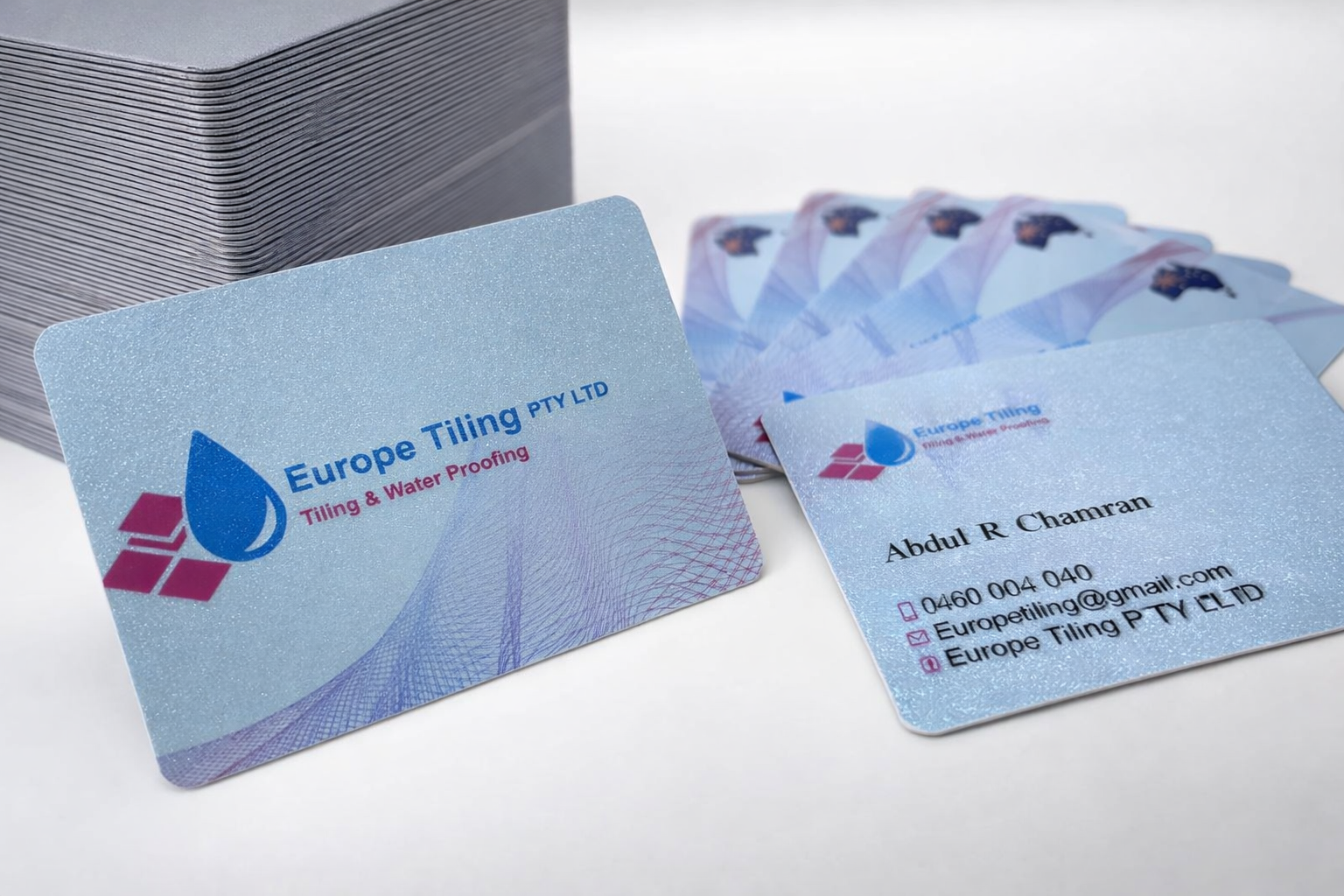
In today’s competitive market, first impressions matter more than ever. Whether for membership cards, access control, loyalty programs, or premium branding, businesses are increasingly looking for card solutions that are both functional and visually distinctive. This is where metallic PVC cards come into play.
Metallic PVC cards combine the durability of standard PVC cards with a striking metallic finish that immediately signals quality and exclusivity. In this article, we’ll explore the materials used, the production process, and the key benefits of metallic PVC cards—helping you decide whether they’re the right choice for your organisation.
What Are Metallic PVC Cards?
Metallic PVC cards are plastic cards produced using specialised metallic materials or finishes that create a reflective, metal-like appearance. Unlike standard PVC cards, which use conventional white or coloured plastic cores, metallic cards incorporate metallic layers, foils, or pigments to achieve a premium look.
They are commonly used for:
- VIP and premium membership cards
- Corporate identification cards
- Hotel key cards
- Gift and loyalty cards
- High-end access cards
From a distance, metallic PVC cards immediately stand out—making them a powerful branding tool.
Materials Used in Metallic PVC Card Production
The quality and appearance of a metallic PVC card depend heavily on the materials used during production. At a professional PVC card manufacturer like Ariadcard, only materials designed for durability, consistency, and machine compatibility are used.
1. Metallic PVC Sheets
The core material of metallic PVC cards is a metallic PVC sheet, which differs from standard PVC in composition. These sheets may include:
- Metallic pigments embedded within the PVC
- A laminated metallic layer
- Composite materials designed to reflect light evenly
These sheets retain the flexibility and strength of PVC while delivering a smooth metallic finish.
2. Overlay Films
To protect the printed surface, metallic PVC cards are laminated with transparent overlay films. These overlays:
- Protect against scratches and fading
- Improve card lifespan
- Enhance gloss or matte effects
High-quality overlays are essential to ensure the metallic effect remains vibrant over time.
3. Printing Inks and Foils
Metallic PVC cards may also use:
- CMYK inks adapted for metallic substrates
- Special opaque whites for colour accuracy
- Foil stamping materials for logos or text
Because metallic surfaces behave differently from standard PVC, ink selection and calibration are critical.
The Metallic PVC Card Production Process
Producing metallic PVC cards requires additional steps and expertise compared to standard card printing. Below is a simplified overview of the professional production workflow.
1. File Preparation and Design Setup
Design files are carefully reviewed to ensure:
- Colours are suitable for metallic backgrounds
- Contrast and readability are optimised
- Logos and text align correctly with metallic finishes
Designs may require adjustments because metallic surfaces reflect light differently than white PVC.
2. Printing on Metallic Substrates
Printing is done directly onto metallic PVC sheets using high-precision digital or offset printers. This step requires:
- Special printer settings
- Adjusted ink density
- Careful colour management
White ink layers may be applied first to preserve colour vibrancy.
3. Lamination
After printing, the sheets are laminated with protective overlay films. This stage:
- Seals the printed design
- Adds durability
- Defines the final surface finish (glossy or matte)
Lamination also ensures the card meets industry standards for thickness, typically 760 microns.
4. Cutting and Finishing
The laminated sheets are then precision-cut into individual cards. Additional finishing options may include:
- Rounded corners
- Signature panels
- HiCo magnetic stripes
- Barcodes or QR codes
Metallic PVC cards can also be combined with magnetic stripe technology or smart chip features.
5. Quality Control
Every batch undergoes strict quality checks to ensure:
- Consistent metallic appearance
- Accurate colour reproduction
- Proper adhesion of layers
- Functional magnetic stripes or chips
This step is crucial for high-volume or long-term card programs.
Metallic PVC Cards vs Standard PVC Cards
While standard PVC cards remain a cost-effective solution, metallic PVC cards offer several distinct advantages:
| Feature | Standard PVC Cards | Metallic PVC Cards |
|---|---|---|
| Appearance | Clean, simple | Premium, reflective |
| Branding Impact | Moderate | High |
| Materials | Standard PVC | Special metallic PVC |
| Cost | Lower | Higher |
| Use Case | Everyday applications | VIP & premium programs |
For businesses looking to elevate their brand image, metallic PVC cards are a worthwhile investment.
Benefits of Metallic PVC Cards
1. Premium Brand Perception
Metallic finishes instantly communicate exclusivity and professionalism, making them ideal for premium customers.
2. High Durability
Despite their refined appearance, metallic PVC cards maintain the same durability as standard PVC cards when produced correctly.
3. Customisation Options
Metallic cards support:
- Full-colour printing
- Variable data personalisation
- Magnetic stripes and encoding
- Security features
4. Competitive Differentiation
In industries where many organisations use standard cards, metallic PVC cards help your brand stand out.
Is a Metallic PVC Card Right for You?
Metallic PVC cards are best suited for organisations that value brand image, customer experience, and long-term durability. While they involve higher production costs than standard PVC cards, the visual impact and perceived value often justify the investment.
At Ariadcard, we help clients choose the right materials and finishes based on their budget, application, and branding goals, ensuring every card delivers both performance and style.